Looking to accelerate your affiliate marketing success? This article is for you. Whether you’re just starting out or looking to take your affiliate business to the next level, these tips and tools will help you achieve fast growth. From finding the hottest niches to driving traffic to your offers, you’ll learn the strategies that super affiliates use to generate massive income online. Say goodbye to common mistakes and hello to a strong foundation for your affiliate business. Get ready to blow away your goals and become a true affiliate marketing powerhouse.
Finding Profitable Niches
Identifying niche trends
When it comes to affiliate marketing, finding a profitable niche is essential. One way to identify niche trends is to look at popular products or services that are currently in demand. This can be done by conducting market research and analyzing keywords and search trends. Additionally, keeping an eye on industry news and staying up-to-date with current events can help you spot emerging trends in various niches. By identifying niche trends early on, you can position yourself as a leader in that market and capitalize on its growth.
Conducting market research
Market research is a crucial step in finding profitable niches. It involves gathering information about your target market, including their demographics, interests, and purchasing behavior. This can be done through surveys, focus groups, and analyzing consumer data. By understanding your target audience, you can tailor your marketing efforts to effectively reach and engage them. Market research can also help you identify gaps in the market and niche opportunities that have yet to be explored.
Finding untapped niches
While popular niches can be profitable, finding untapped niches can give you a competitive edge. To find untapped niches, you can start by brainstorming ideas based on your own interests, hobbies, and expertise. You can also look for niche ideas by exploring online communities, forums, and social media groups where people discuss their specific interests and needs. Additionally, using keyword research tools can help you discover niche keywords with low competition and high search volume. By finding untapped niches, you can target a specific audience and establish yourself as an authority in that niche.
Building a Strong Foundation
This image is property of www.smartpassiveincome.com.
Understanding affiliate marketing
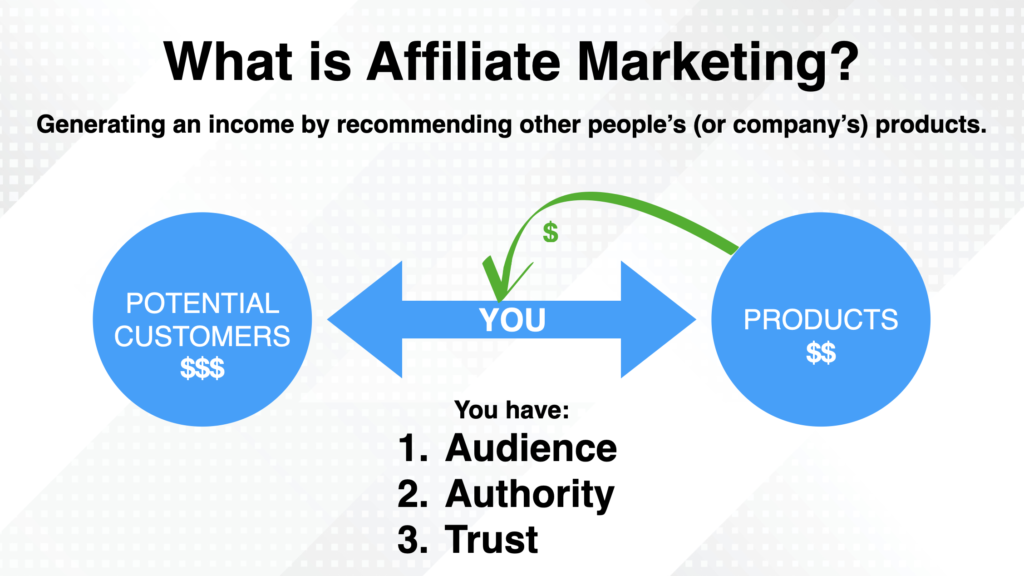
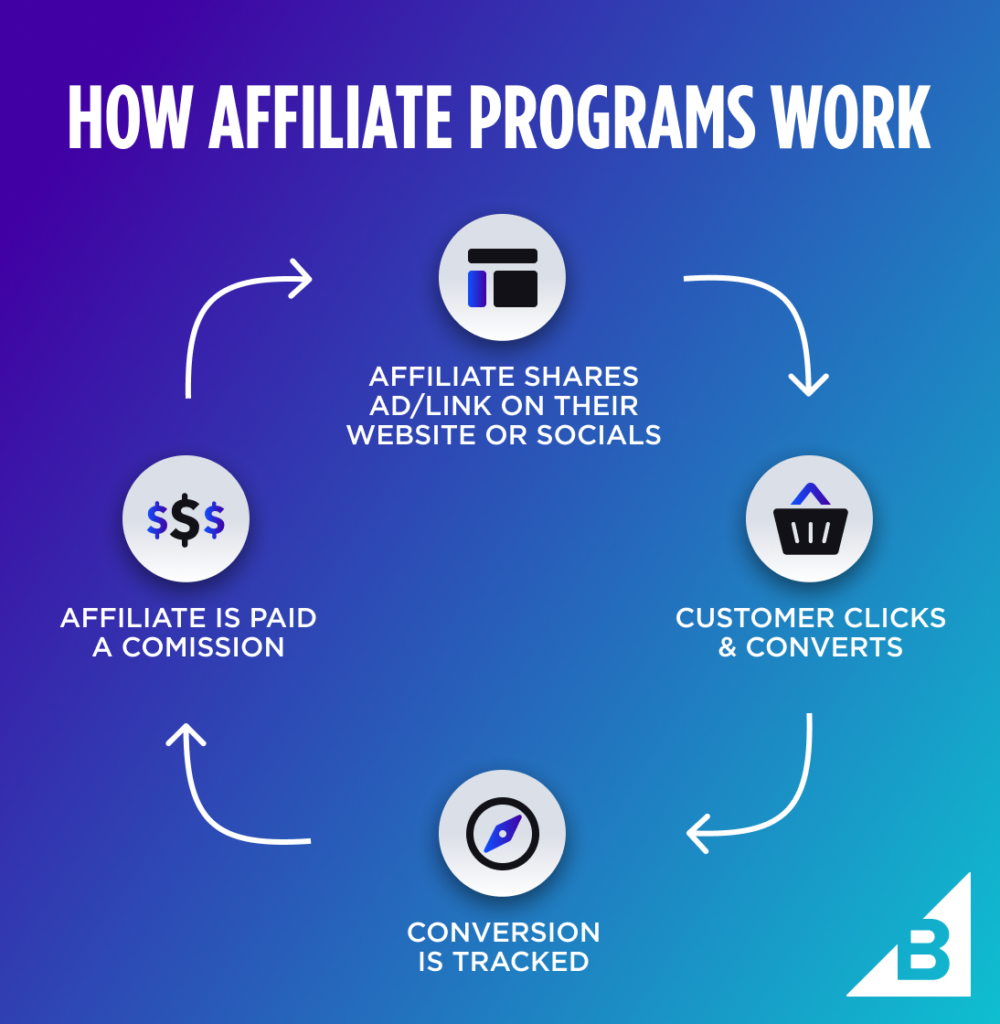
Before diving into affiliate marketing, it’s important to have a solid understanding of how it works. Affiliate marketing is a performance-based marketing strategy where affiliates promote products or services on behalf of a merchant and earn a commission for each successful referral. As an affiliate marketer, you will need to select the right products or services to promote, drive traffic to your affiliate links, and convert that traffic into sales. Understanding the basics of affiliate marketing, including the different models and commission structures, will help you make informed decisions and set realistic expectations.
Avoiding common mistakes
While affiliate marketing can be a lucrative business, there are common mistakes that many beginners make. One common mistake is promoting too many products or services at once, which can overwhelm your audience and dilute your message. It’s important to focus on a specific niche and select products that align with your audience’s interests and needs. Another common mistake is not building a solid foundation, such as creating a website or blog, and neglecting to optimize it for search engines. Building a strong foundation is essential for long-term success in affiliate marketing.
Understanding your target audience
To effectively promote products or services as an affiliate marketer, it’s crucial to understand your target audience. This includes knowing their demographics, interests, motivations, and pain points. By understanding your audience, you can create targeted content that resonates with them and addresses their specific needs. Conducting market research and collecting data on your audience can help you gain valuable insights and tailor your marketing strategies accordingly. Understanding your target audience will also help you select the right products or services to promote and position them in a way that appeals to your audience.
Driving High-Quality Traffic
This image is property of www-cdn.bigcommerce.com.
Implementing SEO strategies
One of the most effective ways to drive high-quality traffic to your affiliate links is through search engine optimization (SEO). SEO involves optimizing your website or blog to rank higher in search engine results for relevant keywords. This can be done through on-page optimization, such as optimizing your page titles, meta descriptions, and headers, as well as off-page optimization, such as building backlinks and increasing your website’s authority. By implementing SEO strategies, you can increase your visibility in search engines and attract organic traffic from people who are actively searching for products or services in your niche.
Using social media marketing
Social media marketing is another powerful tool for driving traffic to your affiliate links. By creating a strong presence on social media platforms, such as Facebook, Instagram, Twitter, and LinkedIn, you can engage with your audience, share valuable content, and promote your affiliate products or services. It’s important to choose the right social media platforms that align with your target audience’s preferences and demographics. Additionally, utilizing social media advertising features, such as Facebook Ads or promoted tweets, can help you reach a larger audience and drive targeted traffic to your affiliate links.
Running paid advertising campaigns
If you’re looking to drive immediate traffic to your affiliate links, running paid advertising campaigns can be a viable option. Platforms like Google Ads, Facebook Ads, and Bing Ads allow you to create targeted ads and reach a specific audience based on demographics, interests, and behaviors. By carefully crafting your ad copy and targeting the right keywords or audience segments, you can drive high-quality traffic to your affiliate links and increase your chances of conversion. However, it’s important to set a budget and monitor your campaigns closely to ensure a positive return on investment.
Maximizing Conversions
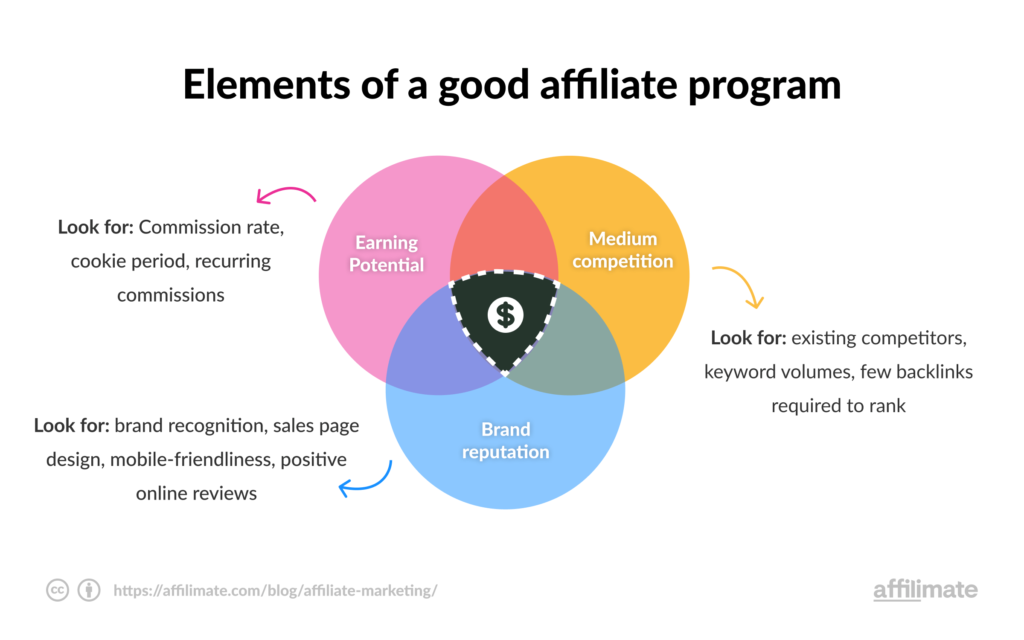
This image is property of assets.affilimate.com.
Creating compelling content
Compelling content is essential for maximizing conversions as an affiliate marketer. Your content should be informative, engaging, and persuasive, and it should highlight the benefits and value of the products or services you’re promoting. Whether it’s written articles, videos, or podcasts, your content should cater to your target audience’s preferences and provide them with valuable insights or solutions to their problems. By creating compelling content, you can establish yourself as an authority in your niche, build trust with your audience, and increase the likelihood of conversions.
Designing effective landing pages
A well-designed landing page can significantly increase your conversion rate as an affiliate marketer. A landing page is a standalone web page that is specifically created to promote a product or service and encourage visitors to take a specific action, such as making a purchase or signing up for a newsletter. When designing a landing page, it’s important to keep it clean, concise, and visually appealing. The headline should grab the visitor’s attention, and the page should clearly communicate the value proposition and benefits of the product or service. Utilizing persuasive elements, such as testimonials, social proof, and call-to-action buttons, can further enhance the effectiveness of your landing page.
Using persuasive copywriting techniques
Copywriting is the art of using words to persuade and convince your audience to take a desired action. As an affiliate marketer, mastering persuasive copywriting techniques can greatly increase your conversion rate. Your copy should highlight the unique selling points and benefits of the products or services you’re promoting, and it should address any objections or concerns that your audience may have. Utilizing psychological triggers, such as scarcity, social proof, and urgency, can create a sense of FOMO (fear of missing out) and compel your audience to take immediate action. By using persuasive copywriting techniques, you can effectively communicate the value of the products or services and motivate your audience to make a purchase.
Building Relationships with Vendors

This image is property of miro.medium.com.
Approaching vendors for partnerships
Building relationships with vendors is crucial for long-term success in affiliate marketing. Approaching vendors for partnerships involves reaching out to them and proposing a mutually beneficial collaboration. When approaching vendors, it’s important to highlight the value you can bring to their business, such as your audience size, reach, and engagement. You can also showcase your previous successes as an affiliate marketer and provide testimonials or case studies. Building a professional and genuine relationship with vendors can open doors to exclusive deals, increased commission rates, and other perks that can boost your affiliate marketing business.
Negotiating exclusive deals
Exclusive deals can give you a competitive advantage as an affiliate marketer. By negotiating exclusive deals with vendors, you can offer your audience something unique and valuable that they can’t find elsewhere. Exclusive deals can include special discounts, bonus offers, or access to limited-edition products or services. When negotiating exclusive deals, it’s important to understand the vendor’s goals and objectives and propose a win-win arrangement. By demonstrating the potential benefits for both parties, such as increased sales and brand exposure, you can increase your chances of securing exclusive deals.
Boosting vendor support
Vendor support can play a crucial role in your success as an affiliate marketer. By building a strong relationship with vendors, you can gain access to additional resources and support that can enhance your affiliate marketing efforts. This can include personalized affiliate links, promotional materials, dedicated affiliate managers, and timely commission payments. Building a good rapport with vendor support teams and maintaining open communication can help you address any issues or concerns and ensure a smooth collaboration. By boosting vendor support, you can streamline your affiliate marketing business and maximize your earnings.
Utilizing Email Marketing

This image is property of cdn.refersion.com.
Building an email list
Building an email list is an effective way to engage with your audience and nurture relationships with potential customers. To build an email list, you can create lead magnets, such as free e-books, checklists, or webinars, that offer valuable content in exchange for email addresses. You can also place opt-in forms on your website or blog and provide incentives for visitors to subscribe to your email list. Once you have an email list, you can regularly send out newsletters, promotions, or exclusive content to keep your audience informed and engaged.
Creating engaging email campaigns
Once you have an email list, creating engaging email campaigns is essential for maximizing conversions. Your email campaigns should be personalized, relevant, and valuable to your subscribers. This can include sending targeted offers based on their interests or purchase history, providing exclusive content or discounts, or sharing informative and educational content. By segmenting your email list and tailoring your campaigns to different audience segments, you can increase open rates, click-through rates, and ultimately, conversions.
Implementing automation and segmentation
Automation and segmentation are key strategies for optimizing your email marketing efforts. By implementing automation, such as welcome emails, abandoned cart reminders, or post-purchase follow-ups, you can deliver timely and relevant messages to your subscribers without manual intervention. This can save you time and effort while ensuring that your audience receives the right message at the right time. Segmentation involves dividing your email list into different segments based on demographics, interests, or engagement levels. By segmenting your email list, you can send targeted campaigns to specific segments and improve engagement and conversions.
Leveraging Influencer Marketing
Finding relevant influencers
Influencer marketing involves partnering with influencers in your niche to promote your affiliate products or services. Finding relevant influencers can be done by researching popular social media accounts, blogs, or YouTube channels that cater to your target audience. Look for influencers who have a large and engaged following, as well as a genuine interest in your niche. You can also utilize influencer marketing platforms or agencies that connect brands with influencers. By leveraging influencer marketing, you can tap into their audience reach and credibility to drive targeted traffic and increase conversions.
Establishing partnerships
Once you’ve identified relevant influencers, it’s important to establish partnerships and collaborations with them. Reach out to influencers and introduce yourself, expressing your interest in collaborating with them. Highlight the value you can offer, such as exposure to your audience, commission rates, or exclusive deals. When establishing partnerships, it’s crucial to build authentic relationships with influencers and align your values and goals. By working closely with influencers, you can leverage their influence to promote your affiliate products or services and generate buzz among their followers.
Measuring influencer campaign success
Measuring the success of your influencer campaigns is essential for evaluating their effectiveness and optimizing your strategies. Key metrics to track include the number of impressions, engagement rate, click-through rate, and conversion rate. You can track these metrics through affiliate tracking software or by utilizing unique affiliate links for each influencer. By measuring the success of your influencer campaigns, you can identify what works and what doesn’t, make data-driven decisions, and continuously improve your influencer marketing strategies.
Utilizing Affiliate Marketing Networks
Choosing the right affiliate network
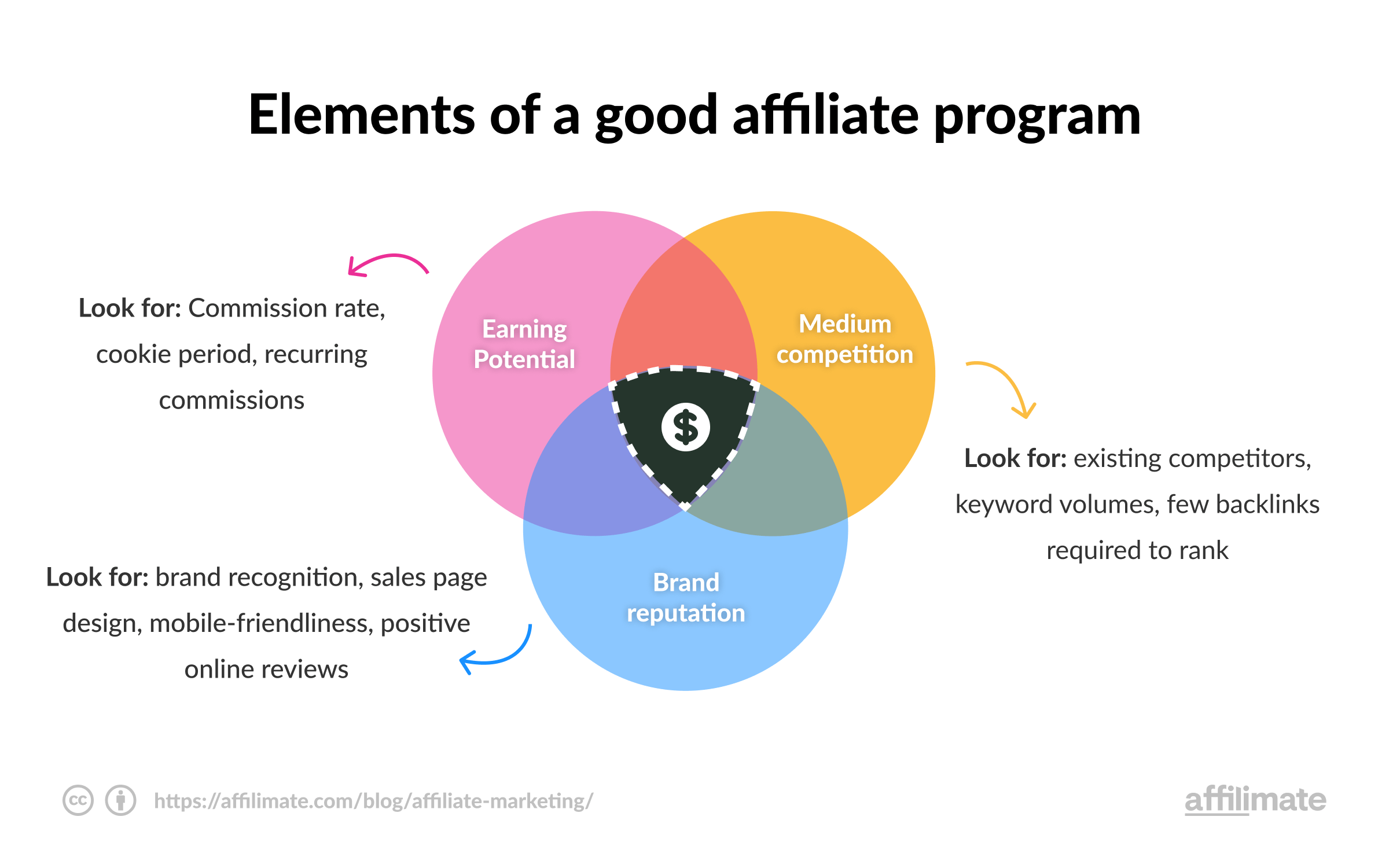
Affiliate marketing networks act as intermediaries between affiliates and merchants, providing a platform where affiliates can find and join affiliate programs. When choosing an affiliate network, it’s important to consider factors such as the network’s reputation, the merchants and products available, the commission structure, and the level of support provided. Additionally, consider the network’s payment methods and reliability. Research and compare different affiliate networks to find the one that best aligns with your niche, preferences, and business goals.
Optimizing affiliate program performance
To maximize your earnings as an affiliate marketer, it’s important to optimize the performance of your affiliate programs. This can be done by analyzing your performance data and identifying areas for improvement. Look for products or services that have higher conversion rates or commission rates and focus on promoting them. Additionally, track your traffic sources and identify which channels are driving the most conversions. By understanding what works and what doesn’t, you can optimize your marketing strategies and increase your affiliate program performance.
Utilizing network tools and resources
Affiliate marketing networks offer various tools and resources that can help you succeed as an affiliate marketer. These can include tracking and reporting tools, creative assets and promotional materials, educational resources and tutorials, and dedicated support teams. Take advantage of these tools and resources to enhance your marketing efforts, streamline your workflow, and stay updated with industry trends and best practices. By utilizing network tools and resources, you can save time, improve productivity, and ultimately, increase your affiliate marketing success.
Tracking and Analyzing Performance
Setting up tracking systems
Tracking and analyzing performance is crucial for measuring the success of your affiliate marketing efforts. Setting up tracking systems involves utilizing affiliate tracking software or platforms that enable you to track clicks, conversions, and other key performance indicators. These tracking systems provide valuable data that can help you understand your audience, identify high-converting products or traffic sources, and optimize your strategies. It’s important to set up tracking systems properly and ensure that you have accurate and reliable data to make informed decisions.
Analyzing key metrics
Analyzing key metrics is essential for evaluating your affiliate marketing performance. Key metrics to analyze include clicks, conversions, conversion rate, average order value, and return on investment. By analyzing these metrics, you can identify areas of improvement, optimize your campaigns, and maximize your earnings. Additionally, consider analyzing customer lifetime value, customer acquisition cost, and overall revenue to gain a deeper understanding of your business’s profitability and long-term sustainability. Regularly monitor and analyze key metrics to track your progress and make data-driven decisions.
Identifying areas for improvement
While tracking and analyzing performance can help you identify areas for improvement, it’s important to proactively seek opportunities to optimize your affiliate marketing strategies. This can include experimenting with different promotional methods, testing new landing page designs, or exploring new traffic sources. Additionally, staying updated with industry trends and best practices can help you identify new opportunities or emerging niches. By continuously identifying areas for improvement and implementing changes, you can stay ahead of the competition and continuously grow your affiliate marketing business.
Staying Up-to-Date with Industry Trends
Continuously learning and evolving
Affiliate marketing is a dynamic industry, and staying up-to-date with industry trends and best practices is crucial for long-term success. Continuously learning and evolving involves keeping up with industry news, reading relevant blogs or publications, and following thought leaders and experts in the field. Additionally, participating in online forums or communities can provide valuable insights and networking opportunities. By staying updated with industry trends, you can adapt your strategies, leverage new technologies or platforms, and take advantage of emerging opportunities.
Attending industry events and conferences
Attending industry events and conferences is another effective way to stay up-to-date with industry trends and connect with like-minded professionals. These events provide opportunities to learn from industry experts, participate in workshops or panel discussions, and network with potential partners or clients. Additionally, attending industry events can inspire new ideas, spark creativity, and foster collaboration. Look for relevant events and conferences in your niche and consider attending them to expand your knowledge and stay connected with the affiliate marketing community.
Following industry experts and thought leaders
Following industry experts and thought leaders is a great way to gain valuable insights and stay informed about the latest affiliate marketing trends and strategies. This can be done through subscribing to their newsletters, following them on social media, or reading their blogs or articles. By following industry experts, you can learn from their experiences, get insider tips and advice, and stay ahead of the curve. Additionally, engaging with industry experts through comments or discussions can help you build relationships and expand your professional network in the affiliate marketing industry.