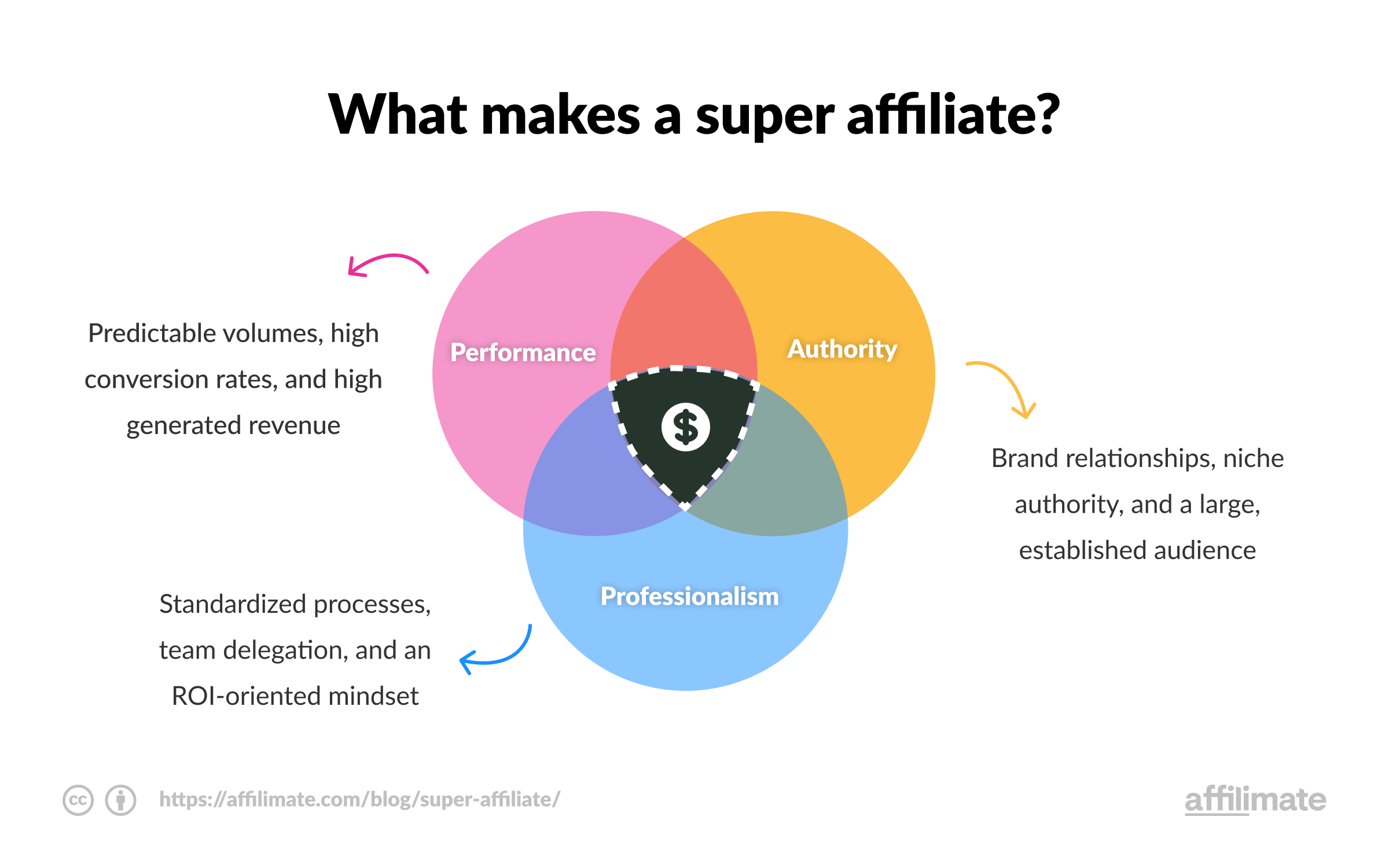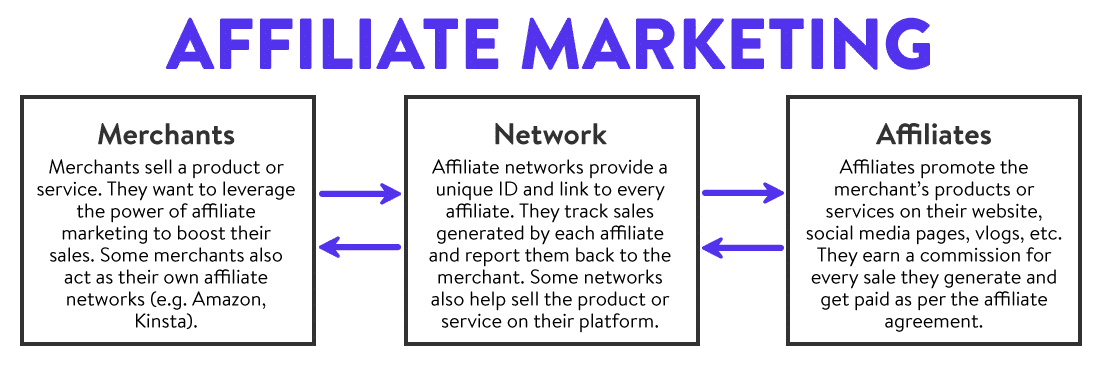
If you’re an affiliate marketer looking for fast growth and determined to achieve your goals, this article is for you. Becoming a super affiliate takes hard work, dedication, and a deep understanding of the industry. In this series, you’ll discover four top tips to help you achieve super affiliate status: choosing your niche wisely, building a strong website, focusing on content marketing, and utilizing social media. With these strategies and a commitment to learning and adapting, you’ll be on your way to blowing away your goals and experiencing rapid growth in your affiliate marketing business.
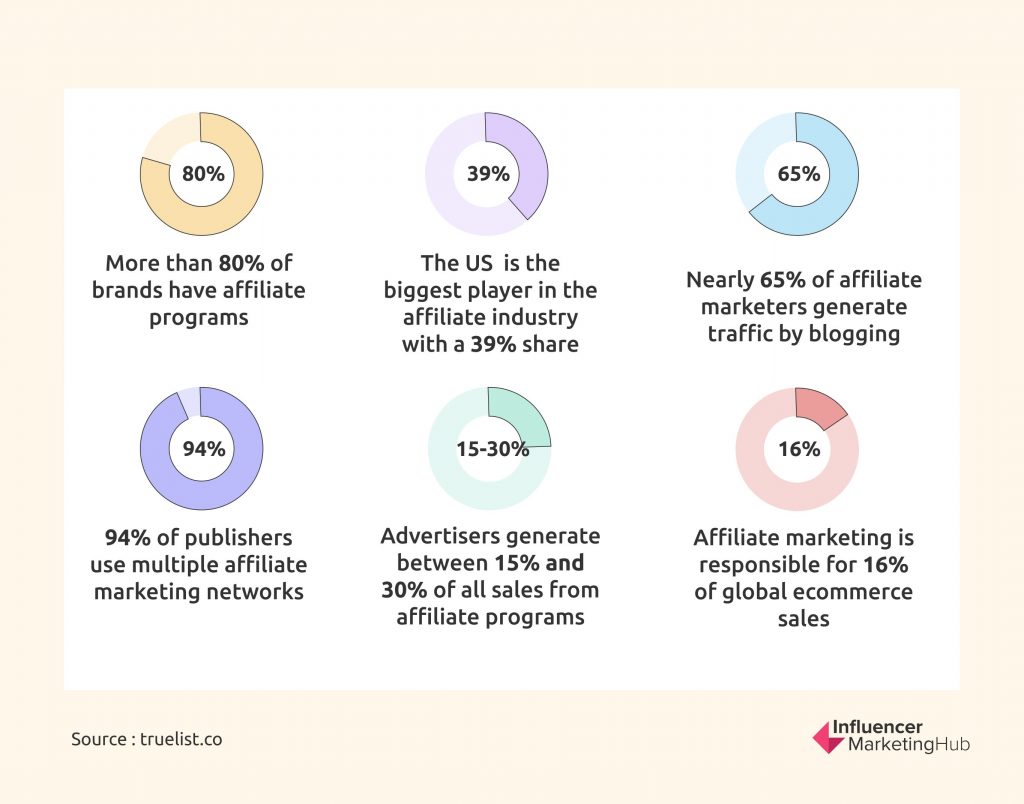
This image is property of influencermarketinghub.com.
1. Develop a Comprehensive Marketing Plan
To become a super affiliate, it’s important to develop a comprehensive marketing plan that outlines your strategies and goals. This helps to ensure that you are targeting the right audience, setting clear objectives, researching your competitors, and identifying the most effective marketing channels.
1.1 Define Your Target Audience
One of the first steps in creating a successful marketing plan is defining your target audience. Understanding who your ideal customers are will allow you to tailor your marketing efforts to their specific needs and preferences. Consider factors such as demographics, interests, and buying behaviors to create detailed buyer personas.
1.2 Set Clear Goals and Objectives
Setting clear goals and objectives is essential for measuring the success of your marketing efforts and tracking your progress towards becoming a super affiliate. These goals can include metrics such as increasing website traffic, growing your email list, or generating a certain number of sales. Make sure your goals are specific, measurable, attainable, relevant, and time-bound (SMART goals).
1.3 Research Your Competitors
Analyzing your competitors is an important part of any marketing plan. By understanding what your competitors are doing well and areas where they may be falling short, you can identify opportunities to differentiate yourself and gain a competitive advantage. Research their marketing strategies, target audience, pricing, and promotions to inform your own approach.
1.4 Identify the Most Effective Marketing Channels
Identifying the most effective marketing channels for reaching your target audience is crucial for maximizing your marketing efforts. This could include channels such as search engine optimization (SEO), social media, email marketing, content marketing, influencer marketing, or paid advertising. Consider factors such as your audience’s preferences, behavior patterns, and the nature of your products or services to determine which channels will yield the highest ROI.
2. Implement Effective SEO Strategies
Search engine optimization (SEO) plays a crucial role in driving organic traffic to your website and improving your search engine rankings. By implementing effective SEO strategies, you can increase your visibility and attract more potential customers.
2.1 Conduct Keyword Research
Keyword research is the process of identifying the words and phrases that your target audience is using to search for products or services in your niche. By conducting keyword research, you can optimize your website content and create targeted blog posts that align with your audience’s search intent. Use tools like Google Keyword Planner or SEMrush to find relevant keywords with high search volumes and low competition.
2.2 Optimize Your Website’s On-Page Elements
Optimizing your website’s on-page elements is crucial for improving its visibility and rankings in search engine results pages (SERPs). This includes optimizing meta tags, headings, URLs, and image alt text with relevant keywords. Ensure that your website is mobile-friendly, has fast loading times, and provides a good user experience.
2.3 Build High-Quality Backlinks
Backlinks are an important ranking factor in SEO. They are links from other websites that point back to your website. Building high-quality backlinks from authoritative and relevant websites can improve your website’s credibility and increase your organic rankings. Reach out to industry influencers or websites in your niche to request guest posting opportunities or collaborate on content that includes backlinks to your website.
2.4 Regularly Update and Refresh Your Content
Regularly updating and refreshing your content is essential for maintaining a strong SEO presence. Search engines favor websites that consistently publish fresh and relevant content. Update your blog posts, add new pages, and repurpose existing content to keep your website up to date and engage your audience. Additionally, consider incorporating multimedia elements such as videos or infographics to make your content more engaging and shareable.
3. Leverage Email Marketing
Email marketing is a powerful tool for building relationships with your audience, nurturing leads, and driving conversions. By leveraging email marketing effectively, you can create personalized and engaging content that resonates with your subscribers.
3.1 Build an Email List
Building an email list is the foundation of any successful email marketing strategy. Offer valuable incentives such as exclusive content, discounts, or free resources in exchange for your audience’s email addresses. Use opt-in forms on your website, blog posts, and social media platforms to capture leads and grow your email list.
3.2 Create Compelling and Engaging Email Content
To maximize the effectiveness of your email marketing campaigns, create compelling and engaging email content. Personalize your emails based on subscriber preferences and behavior, and segment your email list to send targeted content to specific groups. Use attention-grabbing subject lines, clear and concise copy, and visually appealing designs to capture your subscribers’ attention and drive them to take action.
3.3 Automate Your Email Campaigns
Automation is an essential component of successful email marketing. Implement automation tools and workflows to streamline your email campaigns and deliver timely and relevant content to your subscribers. Set up welcome emails, drip campaigns, abandoned cart emails, and personalized recommendations based on subscriber behavior to nurture leads and increase conversions.
3.4 Monitor and Analyze Email Performance
Monitoring and analyzing the performance of your email marketing campaigns is crucial for optimizing your strategies and achieving better results. Track metrics such as open rates, click-through rates, conversion rates, and unsubscribe rates to understand how your emails are performing. Use this data to identify areas for improvement, test different elements, and refine your email marketing strategies.
4. Utilize Paid Advertising
Paid advertising can be an effective way to increase your brand visibility, reach a wider audience, and drive targeted traffic to your website. By utilizing paid advertising, you can strategically place your ads on platforms where your target audience is most likely to engage.
4.1 Define Your Advertising Budget
Before diving into paid advertising, it’s important to define your advertising budget. Determine how much you are willing to invest in your advertising efforts and allocate your budget accordingly. Consider factors such as the cost per click (CPC) or cost per acquisition (CPA) of your ads, as well as the ROI you expect to achieve.
4.2 Choose the Right Platform for Your Target Audience
Choosing the right platform to advertise on is crucial for reaching your target audience effectively. Research and analyze different advertising platforms such as Google Ads, Facebook Ads, Instagram Ads, or LinkedIn Ads to determine which platforms align with your target audience’s demographics and behavior. Each platform offers unique targeting options and features, so choose the one that best suits your marketing goals.
4.3 Create Compelling Ad Copy and Visuals
To capture your target audience’s attention and drive them to take action, create compelling ad copy and visuals that stand out. Craft attention-grabbing headlines, concise and persuasive descriptions, and visually appealing images or videos. Use a clear call-to-action (CTA) that directs users to click on your ad and follow through with the desired action.
4.4 Monitor and Optimize Your Ads
Once your ads are live, it’s important to continuously monitor and optimize their performance. Track metrics such as click-through rates, conversion rates, and ROI to understand how your ads are performing. Use A/B testing to test different elements of your ads, such as headlines, visuals, or CTAs, and make data-driven decisions to improve your ad campaigns over time.
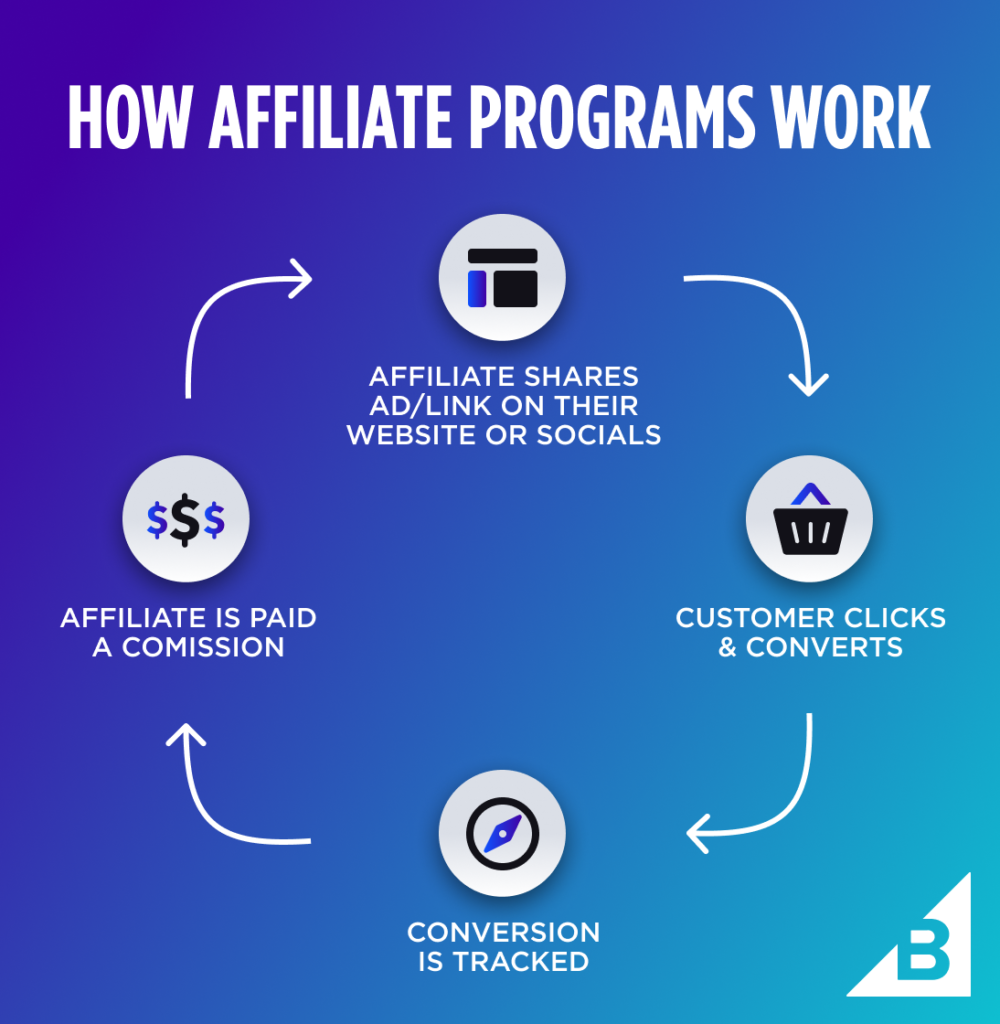
This image is property of www-cdn.bigcommerce.com.
5. Develop Strategic Partnerships
Developing strategic partnerships can significantly boost your affiliate marketing efforts and help you reach a wider audience. By collaborating with other businesses or influencers in your niche, you can leverage their audience and credibility to promote your products or services.
5.1 Identify Potential Partners in Your Niche
Identify potential partners in your niche by conducting research and identifying businesses or influencers that share a similar target audience or align with your brand values. Look for partners who have a strong online presence, a large following, and a good reputation.
5.2 Reach Out and Build Relationships
Reach out to potential partners and start building relationships with them. Connect with them on social media, comment on their blog posts, or attend industry events where you can meet them in person. Personalize your outreach and explain how collaborating with you can benefit both parties.
5.3 Collaborate on Joint Marketing Campaigns
Once you have established relationships with potential partners, explore opportunities for joint marketing campaigns. This could include guest blogging, co-hosting webinars or events, or creating collaborative content such as ebooks or podcasts. Make sure that the collaboration aligns with both parties’ objectives and provides value to their audiences.
5.4 Track and Measure Partnership Performance
Track and measure the performance of your strategic partnerships to assess their impact on your affiliate marketing efforts. Monitor metrics such as website traffic, conversions, or affiliate sales generated through the partnership. Use this data to evaluate the success of each partnership and make informed decisions about future collaborations.
6. Utilize Influencer Marketing
Influencer marketing is a powerful strategy for increasing brand awareness, driving traffic, and generating sales. By collaborating with influencers in your niche, you can leverage their influence and credibility to promote your products or services.
6.1 Identify Relevant Influencers in Your Niche
Identify relevant influencers in your niche by researching popular blogs, social media accounts, or YouTube channels that cater to your target audience. Look for influencers who have a large following, high engagement rates, and a good reputation. Consider factors such as the relevance of their content, their audience demographics, and their engagement levels.
6.2 Reach Out and Build Relationships
Reach out to influencers and start building relationships with them. Follow them on social media, comment on their posts, and share their content. Engage with their audience by providing valuable insights or answering questions. Show genuine interest in their content and establish yourself as a valuable connection.
6.3 Collaborate on Sponsored Content and Reviews
Collaborate with influencers on sponsored content or product reviews to promote your affiliate products or services. Offer them free samples or exclusive deals in exchange for their honest reviews or endorsements. This can help you reach their audience and tap into their influence to generate sales. Ensure that the collaboration is disclosed appropriately to adhere to advertising guidelines and maintain transparency.
6.4 Track and Analyze Influencer Performance
Track and analyze the performance of your influencer marketing campaigns to assess their effectiveness. Monitor metrics such as website traffic, affiliate sales, or engagement rates to determine the impact of each collaboration. Use this data to measure the ROI of your influencer partnerships and make informed decisions about future collaborations.
This image is property of cdn.shopify.com.
7. Optimize Your Conversion Funnel
Optimizing your conversion funnel is essential for maximizing the number of leads or sales generated from your marketing efforts. By analyzing and improving each stage of the funnel, you can enhance the overall conversion rate and drive more revenue.
7.1 Analyze and Optimize Your Website’s User Experience
Analyze and optimize your website’s user experience (UX) to ensure that visitors can easily navigate through your website and find the information they need. Improve page load times, optimize your website for mobile devices, and simplify the checkout process. Conduct user testing and gather feedback to identify any pain points or areas for improvement.
7.2 Implement Effective Calls-to-Action
Calls-to-action (CTAs) are essential for guiding your visitors towards the desired action. Ensure that your CTAs are clear, compelling, and prominently displayed throughout your website. Use action-oriented language and create a sense of urgency to encourage your visitors to take immediate action.
7.3 Use A/B Testing to Improve Conversion Rates
A/B testing is a powerful technique for optimizing your conversion rates. Test different variations of your landing pages, CTAs, or email copy to determine which elements yield the highest conversion rates. Use analytics tools and metrics such as click-through rates, bounce rates, or conversion rates to measure the effectiveness of each variation.
7.4 Monitor and Analyze Conversion Funnel Performance
Monitor and analyze the performance of your conversion funnel to identify areas for improvement. Track metrics such as conversion rates, abandonment rates, or average order values to understand how your funnel is performing. Use this data to make data-driven decisions and implement strategies to optimize your conversion rates.
8. Utilize Retargeting and Remarketing
Retargeting and remarketing are effective strategies for reengaging with potential customers who have previously interacted with your website or shown interest in your products or services. By utilizing retargeting and remarketing, you can increase brand awareness, drive conversions, and boost sales.
8.1 Set Up Retargeting and Remarketing Campaigns
Set up retargeting and remarketing campaigns using platforms such as Google Ads, Facebook Ads, or LinkedIn Ads. These platforms allow you to track and target users who have visited your website or engaged with your content. Create custom audiences or segments based on their behavior and target them with relevant ads.
8.2 Segment Your Audience for More Relevant Ads
Segment your audience based on their behavior, interests, or demographics to deliver more relevant ads. Tailor your messaging and offers based on each segment’s specific needs or preferences. This personalization can increase the effectiveness of your retargeting and remarketing campaigns, as it shows users the products or services they are most interested in.
8.3 Create Compelling Retargeting Ads
Create compelling retargeting ads that catch the attention of your audience and encourage them to revisit your website. Use eye-catching visuals, persuasive copy, and personalized offers to entice potential customers. Showcase products they have previously viewed or offer exclusive discounts to increase their likelihood of converting.
8.4 Analyze and Optimize Retargeting Performance
Analyze and optimize the performance of your retargeting campaigns to improve their effectiveness. Monitor metrics such as click-through rates, conversion rates, or return on ad spend (ROAS) to understand the impact of your retargeting efforts. Make data-driven decisions, refine your retargeting strategies, and experiment with different ad variations to optimize your results.
This image is property of kinsta.com.
9. Offer Incentives and Discounts
Offering incentives and discounts is a proven strategy for driving engagement, increasing conversions, and boosting customer loyalty. By providing exclusive offers and limited-time discounts, you can incentivize your audience to take action and make a purchase.
9.1 Create Exclusive Offers for Your Audience
Create exclusive offers or promotions specifically for your audience to make them feel valued and appreciated. Offer discounts, free trials, or exclusive access to new products or features. Make sure to clearly communicate the benefits and limitations of these offers to encourage conversions.
9.2 Promote Limited-Time Discounts and Sales
Promote limited-time discounts and sales to create a sense of urgency and scarcity. Encourage your audience to take advantage of these offers before they expire. Use persuasive messaging and visually appealing graphics to highlight the time-sensitive nature of the promotion.
9.3 Implement a Referral Program
Implement a referral program to incentivize your customers to refer others to your products or services. Offer rewards or discounts for successful referrals, and make it easy for customers to share their referral links. This can help you tap into new networks and generate qualified leads or sales.
9.4 Analyze and Adjust Incentive Performance
Analyze the performance of your incentives and discounts to understand their effectiveness and impact on your conversions. Track metrics such as the number of conversions, referral activity, or customer feedback to gauge the success of your incentives. Use this data to make adjustments, refine your offers, and tailor your incentives to better meet your audience’s needs.
10. Continually Educate Yourself and Stay Updated
To become a super affiliate and stay at the top of your game, it’s important to continually educate yourself and stay updated on industry trends, best practices, and new strategies.
10.1 Stay Current with Industry Trends and Best Practices
Stay current with the latest industry trends and best practices by regularly reading industry blogs, attending webinars, or following industry influencers. Join online communities or forums where you can engage with other affiliate marketers and share insights or ask questions.
10.2 Attend Affiliate Marketing Conferences and Events
Attend affiliate marketing conferences and events to network with industry experts and learn from their experiences. Conferences provide valuable opportunities for professional development, knowledge sharing, and building connections that can enhance your affiliate marketing efforts.
10.3 Engage in Online Affiliate Marketing Communities
Engage in online affiliate marketing communities where you can connect with like-minded individuals, share success stories, and seek advice from experienced marketers. Participate in discussions, ask questions, and offer insights to contribute to the community and expand your knowledge.
10.4 Invest in Affiliate Marketing Courses and Resources
Invest in affiliate marketing courses, e-books, or resources that can provide you with in-depth knowledge and practical strategies to enhance your affiliate marketing skills. Learn from industry experts and apply what you learn to your own affiliate marketing campaigns. Continuously upgrading your skills and knowledge is key to staying ahead in the rapidly evolving world of affiliate marketing.
By following these comprehensive strategies and continuously learning and adapting to new trends and best practices in the affiliate marketing industry, you can position yourself to become a super affiliate. Remember, becoming a super affiliate requires dedication, hard work, and a commitment to ongoing improvement. Stay focused, stay motivated, and keep refining your strategies to achieve your goals.
This image is property of assets.affilimate.com.